
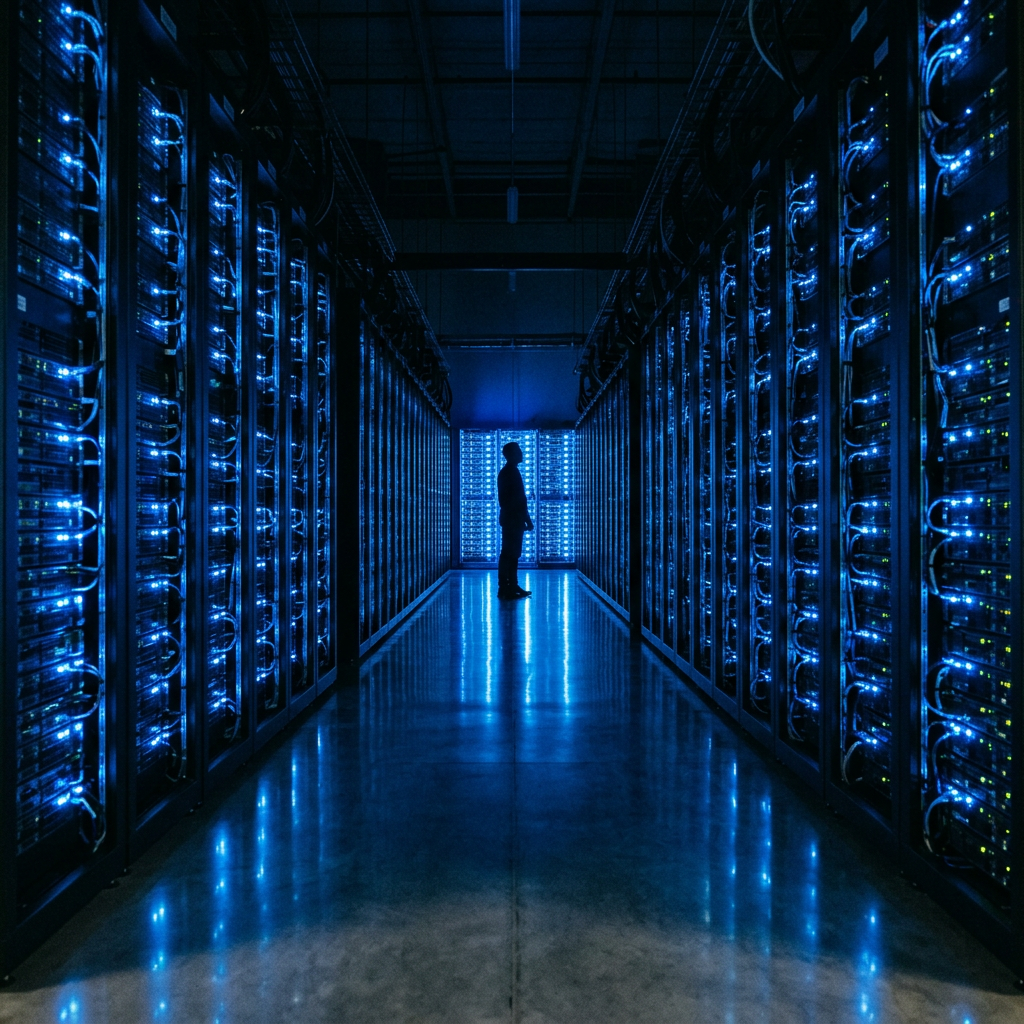
Living in the Shadow of the Digital Panopticon
It started with a series of headlines that felt more like a dystopian novel than the morning news. Learning about the scale of global surveillance through the leaks provided by Edward Snowden felt like the scales were falling from my eyes, revealing a world where my private thoughts and digital footprints were being cataloged in a vast, invisible library. The realization that our devices, which we had embraced as tools of liberation, were also being used as instruments of observation was a profound psychological shift. I found myself looking at my phone and laptop differently, wondering who else might be looking back through the lens. It sparked a conversation about the balance between security and liberty that felt overdue yet terrifyingly complex. We were forced to confront the reality that in the digital age, privacy is no longer a default setting but a privilege we have to fight for. This era of disclosure forced me to weigh the convenience of connectivity against the sanctity of the personal sphere, a struggle that continues to define our modern existence. It was the year we realized the internet was not just a playground, but a glass house.