
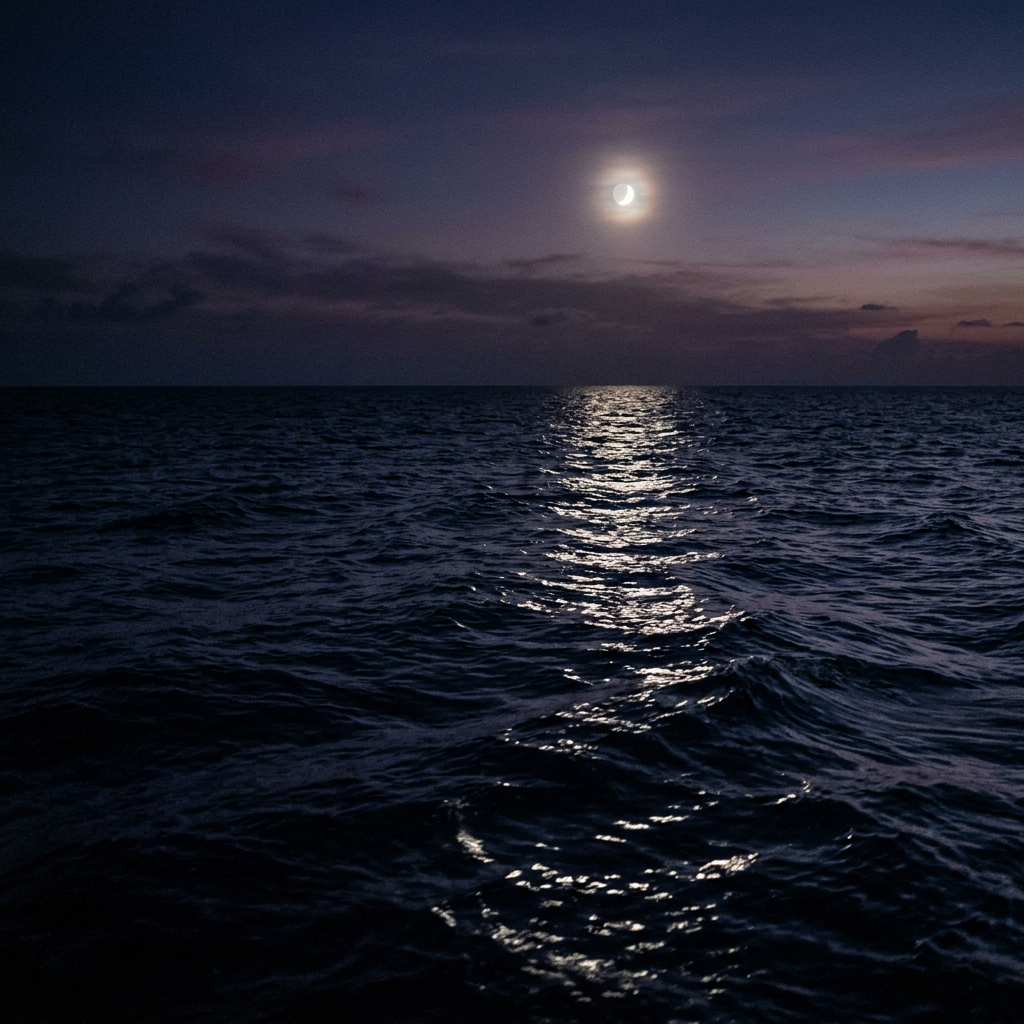
The Silence Over the Indian Ocean: Lessons in Loss and the Unknown
There is a specific kind of haunting that comes with a mystery that has no ending. When Malaysia Airlines Flight MH370 vanished, I found myself checking the news every hour, convinced that in our hyper-connected, satellite-tracked age, a massive Boeing 777 couldn't just disappear. Yet, as the days turned into weeks, the impossible became our reality. The sheer scale of the search area—millions of square miles of deep, dark water—was a humbling reminder of how little of this planet we actually control. We think we have mapped every inch, but the ocean still holds its secrets.
My heart ached for the families waiting in airport terminals, their lives suspended in a horrific limbo. I imagined the agonizing silence of a phone that doesn't ring and the cruelty of hope that has nothing to latch onto. It made me reflect on the nature of closure and how much we rely on it to process grief. To lose someone is a tragedy, but to lose someone to the void, without a trace or an explanation, felt like a uniquely modern nightmare. It was a collective moment of mourning for people we never knew, united by a shared sense of disbelief.
In the years since, I still find myself looking at the night sky or out of an airplane window and thinking about that flight. It changed the way I view technology; I realized that for all our sensors and data, we are still subject to the vastness of the Earth. The disappearance of MH370 was a crack in the veneer of our digital omniscience. It taught me that there are still parts of our world—and our human experience—that remain beyond the reach of a signal, tucked away in the deep silence of the sea.