
A Fire That Couldn't Be Put Out: Finding My Voice in the Crowd
The video changed everything for me, as it did for millions of others. It wasn't just another news story; it was a visceral, agonizing realization that the ground I walked on wasn't level for everyone. I felt a heat rising in my chest that had nothing to do with the summer sun—a mixture of shame, anger, and a sudden, sharp clarity. For the first time, I didn't just want to watch history; I felt an irresistible pull to be part of the movement demanding that the future be better than the past.
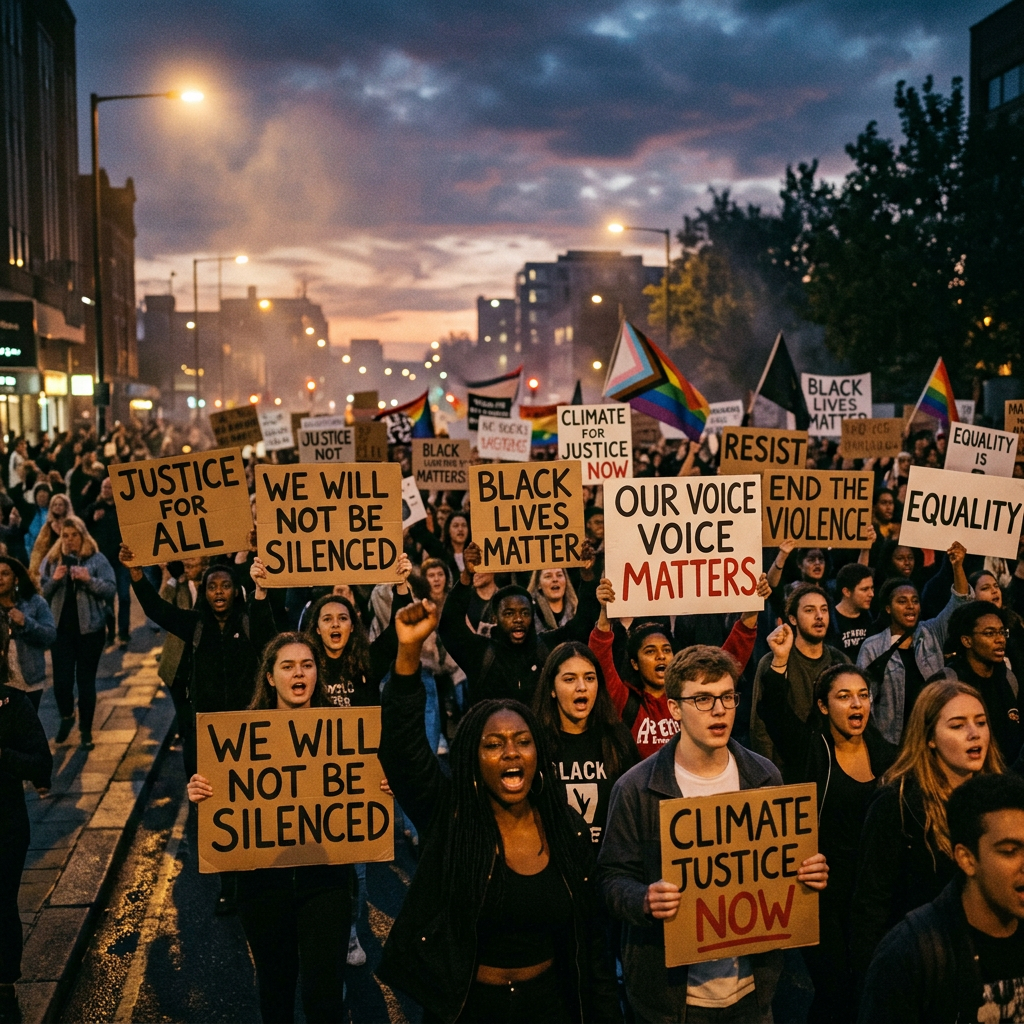
Walking through the streets with a hand-painted cardboard sign, I felt the electricity of thousands of voices merging into one. There was a strange beauty in the chaos—the smell of spray paint, the rhythmic chanting that vibrated in my teeth, and the sight of strangers handing out water bottles to anyone who looked thirsty. We were a sea of masks and eyes, connected by a shared refusal to look away any longer. It was exhausting and terrifying, yet it was the most alive I had felt in years, finally breaking the numbness of the lockdown.
I spent my evenings reading, unlearning, and listening to stories that had been shouted for decades but were only now being heard. The protests weren't just about one man or one city; they were a global reckoning with the shadows we had tried to ignore. I realized that silence is a choice, and it was a choice I could no longer make. Even as the news cameras eventually moved on, the shift in my own heart felt permanent, a fire that had been lit and could never truly be extinguished.