
The Long Shadows of a City Left Behind
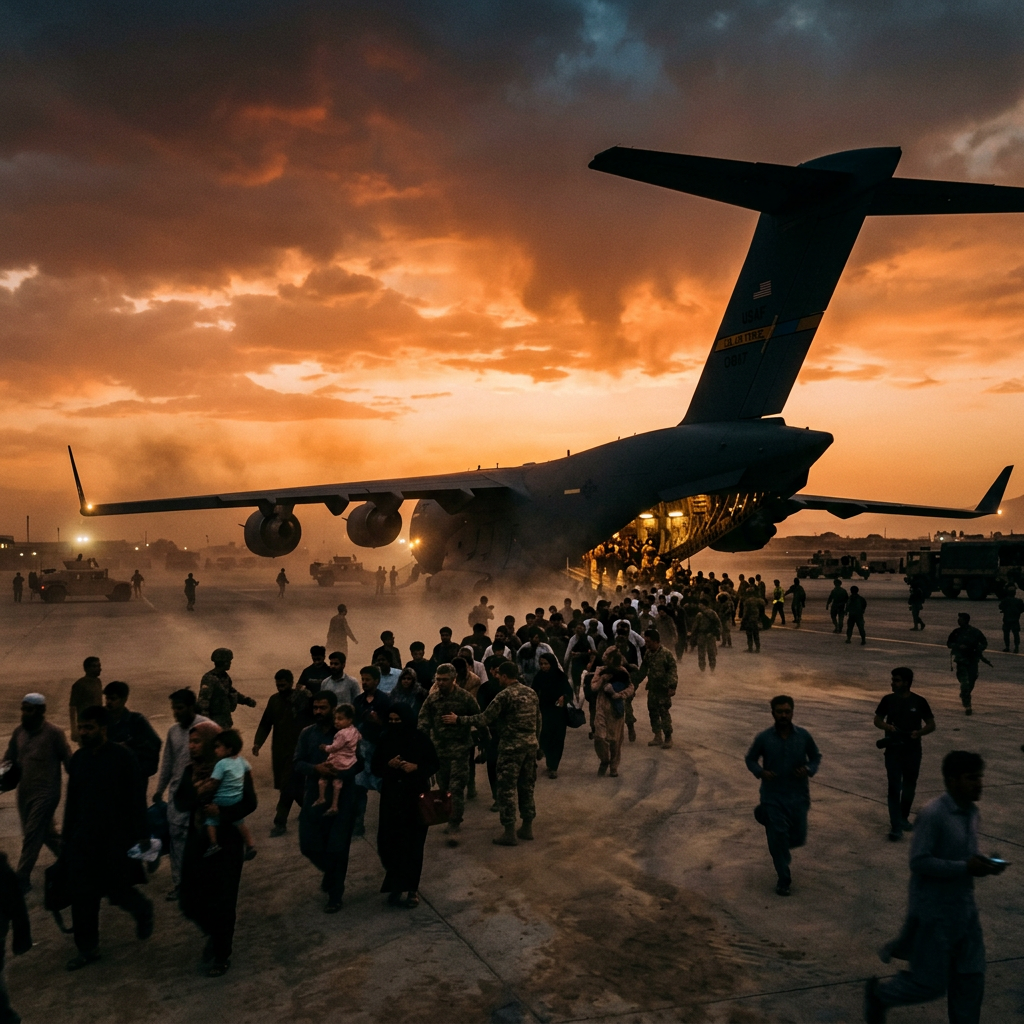
The images coming out of Kabul in August were the kind that stay with you long after you turn off the screen. I remember watching the chaos at the airport, the sea of people desperate for a way out, and feeling a profound sense of helplessness.
It was the end of a twenty-year chapter, a sudden and violent closing of a door that many had hoped would lead to a different future. I kept thinking about the stories of the women and girls who had spent two decades imagining a world of possibilities, only to see the horizon narrow in a matter of days. There is a specific kind of grief that comes from watching history repeat itself, a heavy realization that the progress we think is solid can sometimes be as fluid as water.
It felt like a collective failure of imagination and responsibility. In the weeks that followed, the silence of the city’s new reality felt louder than the noise of the evacuation. I found myself reflecting on the nature of home and what it means to lose the ground beneath your feet.
The event was a stark reminder of the human cost of global politics, where the lives of individuals are often caught in the crosswinds of decisions made thousands of miles away.